
A peaceful home rarely happens by accident. It comes from small choices that lower visual noise, soften the mood, and make everyday life feel less rushed. The best minimalist decor does not strip a room until it feels empty; it edits the space until every piece has a reason to stay. For many American homes, that matters more than ever because open floor plans, small apartments, remote work corners, and busy family schedules can make even a beautiful room feel mentally crowded. A calmer home starts with fewer objects, warmer textures, better light, and habits that keep clutter from returning. You do not need a designer budget or a perfect white sofa to get there. You need restraint, comfort, and a clear sense of what makes your space feel settled. A helpful place to start is by studying how modern home styling choices shape the way a room feels before adding anything new. Peaceful living is not about owning less for the sake of less. It is about making room for what helps you breathe.
Start With Less, But Keep the Room Human
A home can look clean and still feel cold. That is the trap many people fall into when they confuse minimalism with absence. The goal is not to remove personality from the room. The goal is to remove the distractions that keep personality from showing up clearly.
How do you choose what stays in a calm room?
A calm room begins with honest editing. Walk through the space and notice what your eyes hit first. If the answer is mail, cords, extra pillows, stacked shoes, or a chair holding laundry, the room is not failing because of style. It is failing because too many small interruptions are fighting for attention.
Keep the pieces that work hard or mean something. A solid wood coffee table, a lamp you use every night, a framed photo from a real trip, or a woven basket that hides blankets can stay. Random decor bought to fill a shelf usually does not deserve the same protection. That sounds harsh, but rooms get calmer when objects earn their place.
A good test is simple: would you miss this item if it disappeared for a month? If not, store it, donate it, or move it somewhere it works better. Many U.S. renters do not have huge closets, so this step matters. A clutter-free home is easier to maintain when the room is not carrying objects that belong to another season of your life.
Why does empty space make comfort stronger?
Empty space gives the best pieces room to speak. A sofa with one textured throw can look more inviting than the same sofa buried under six pillows. A dining table with one low bowl feels more intentional than a table covered in candles, trays, and stacked magazines. Restraint lets warmth show up without effort.
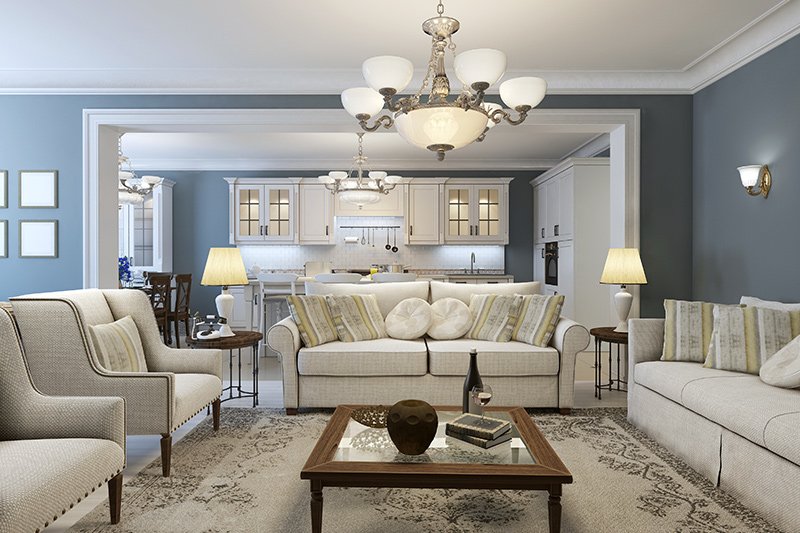
This is where cozy home decor becomes more thoughtful. Comfort does not need crowding. A soft rug, a linen curtain, and a warm lamp can do more for a living room than a full cart of small accessories. The room feels finished because the major surfaces have breathing room.
One unexpected truth is that empty space can make a home feel more personal, not less. When every shelf is packed, nothing gets attention. When one handmade vase sits on a clear shelf, you notice its shape, color, and story. The space around it becomes part of the design, almost like silence in a good song.
Use Warm Materials to Soften Minimalist Decor
Once the clutter leaves, texture has to do more work. Bare rooms can feel sharp if every surface is flat, glossy, or pale. Warm materials bring the room back to earth, which is why wood, cotton, linen, wool, clay, and woven fibers matter so much in a pared-back home.
What textures make a simple home feel warm?
Texture changes how a room feels before you even touch anything. A nubby throw across a clean-lined sofa tells your body the room is meant to be used. A jute rug under a dining table makes a simple setup feel grounded. A matte ceramic lamp on a nightstand can soften a bedroom better than another framed print.
Warm neutral interiors work because they layer quiet differences. Cream walls, oatmeal fabric, pale oak, soft taupe, and warm white are not the same color, even when they look related. That slight variation keeps the room from feeling flat. The eye moves slowly instead of bouncing around.
A practical example is a suburban living room with builder-grade white walls and gray flooring. Adding a tan wool rug, a light wood side table, cotton curtains, and a clay-colored pillow can shift the entire mood without repainting or buying new furniture. The room stops feeling unfinished and starts feeling lived in.
How can natural pieces add character without clutter?
Natural pieces work best when they have shape, age, or function. A wood bowl can hold keys near the entry. A woven basket can hide dog toys. A stone tray can gather hand soap and lotion beside the sink. These pieces add warmth because they solve a problem while looking good.
A peaceful living room does not need ten decorative objects to feel complete. It may need one low plant, one textured rug, one useful tray, and one lamp that casts soft light after sunset. The point is not to make the room look staged. The point is to make the room feel settled when life is happening inside it.
Here is the counterintuitive part: imperfections often make a minimalist space better. A slightly uneven ceramic vase or a reclaimed wood bench keeps the room from looking sterile. Too much perfection can feel tense. A small flaw reminds the space that people live there, which is the whole reason design matters.
Shape the Room Around Light, Flow, and Daily Habits
A peaceful home is not only about what you see. It is also about how you move, where light lands, and whether the room supports your normal day. Many homes feel stressful because their layout works against real routines.
How should furniture placement support a quieter mood?
Furniture placement has a direct effect on stress. A chair that blocks a walkway creates friction every day. A coffee table too far from the sofa makes the room feel awkward. A bed facing a pile of storage bins makes rest harder before you even lie down.
Start with movement. You should be able to cross a room without turning sideways, stepping around cords, or bumping into furniture corners. In a small apartment, that may mean choosing one accent chair instead of two. In a family room, it may mean using nesting tables rather than a wide coffee table that eats the center of the room.
A peaceful living room often comes from better spacing, not better shopping. Pulling furniture a few inches away from the wall can make the seating area feel more intentional. Removing a side table that no one uses can make the room feel wider. Small layout changes can create the kind of calm people often think requires a full makeover.
Why does lighting matter more than extra decor?
Lighting controls mood faster than almost anything else in a room. Harsh overhead light can make clean design feel flat and uncomfortable. Warm lamps, shaded bulbs, and natural daylight make the same room feel softer, even when nothing else changes.
American homes often rely too much on ceiling fixtures. That works for cleaning, but not for winding down after dinner. A better setup uses layers: a floor lamp beside the sofa, a table lamp near a reading chair, and a small lamp on a console or shelf. The room gains depth because light comes from more than one direction.
The EPA notes that indoor air quality can be affected by household products, ventilation, and daily habits, so calm design should also support a healthier home environment through airflow, cleaner surfaces, and fewer dust-catching extras. A clutter-free home is not only easier on the eyes; it is easier to clean, refresh, and live with over time.
Build Peaceful Routines Into the Design
A room only stays calm when the design matches real behavior. If the entry has no place for shoes, shoes will spread. If the kitchen counter has no clear landing zone, mail and chargers will take over. Good design does not depend on perfect discipline. It makes better habits easier.
What storage choices keep a cozy home from feeling crowded?
Storage should hide what looks messy and display what adds warmth. Closed cabinets, lidded baskets, under-bed bins, and simple drawers protect the room from daily clutter. Open shelving should be used with care because it asks you to style the same objects over and over.
Cozy home decor often works best when storage feels like part of the room, not a punishment for owning things. A storage ottoman can hold blankets. A bench with baskets can manage entryway shoes. A slim console can catch keys, sunglasses, and dog leashes without turning into a junk zone.
A strong rule is to store items where they naturally fall. If kids drop backpacks near the kitchen, place hooks nearby instead of hoping they walk to a bedroom closet. If bills land on the dining table, add one small tray near the door. Design should meet life where it happens, not where a magazine says it should happen.
How can you keep the style peaceful after the room is done?
Maintenance is part of the design. A room that takes forty minutes to reset every night is not peaceful. Choose fewer pillows, washable fabrics, easy-to-dust surfaces, and decor that does not need constant rearranging. Your future self deserves that mercy.
Warm neutral interiors are easier to maintain when you limit the palette before buying anything new. Pick two main neutrals, one warm wood tone, and one accent family such as muted green, rust, charcoal, or soft blue. That guardrail keeps impulse purchases from breaking the mood of the room.
One helpful habit is the weekly five-minute reset. Clear the main surfaces, fold the throw, return books, empty the basket, and check whether anything new has started living in the wrong place. Peaceful homes do not stay peaceful because nothing changes. They stay peaceful because small resets happen before clutter becomes the room’s personality.
Conclusion
A calm home is not built in one shopping trip. It grows through better choices, cleaner surfaces, softer light, and the courage to stop adding things when the room already feels right. The strongest homes do not chase every trend. They protect the feeling the people inside them need most. That is why minimalist decor works so well when it is warmed with texture, shaped around daily habits, and edited with care. It gives your mind fewer things to fight and your body more reasons to relax. Start with one room, not the whole house. Remove what interrupts the space, add one useful layer of warmth, and fix one habit that keeps creating clutter. Then let the room teach you what it still needs. Choose one corner today and make it quieter, softer, and easier to live in.
Frequently Asked Questions
What are the best cozy minimalist decor ideas for a small apartment?
Start with furniture that has clear purpose, then add warmth through rugs, curtains, lamps, and baskets. Avoid filling every wall or shelf. Small apartments feel calmer when walkways stay open, storage is hidden, and each visible piece adds comfort or daily function.
How do I make a minimalist living room feel cozy?
Use soft lighting, warm wood, textured fabric, and a limited color palette. A clean sofa, one good rug, and two warm lamps can do more than many small accessories. Comfort comes from texture and proportion, not from filling every surface.
What colors work best for warm neutral interiors?
Cream, ivory, oatmeal, taupe, beige, warm gray, pale oak, and soft brown all work well. The key is mixing tones instead of using one flat shade everywhere. A room feels richer when the neutrals have slight contrast and natural texture.
How can I create a clutter-free home without throwing everything away?
Start by removing items from visible surfaces, then sort by use. Keep what supports daily life and store seasonal or occasional items out of sight. Donate pieces that no longer serve you. The goal is not emptiness; it is easier living.
What furniture is best for a peaceful living room?
Choose furniture with clean lines, comfortable proportions, and enough storage for real life. A simple sofa, useful side table, soft rug, and closed media cabinet often work better than decorative pieces that only fill space. Leave enough room to move easily.
How do I decorate with fewer items without making my home plain?
Choose pieces with texture, shape, or meaning. A handmade bowl, woven basket, wood lamp, framed photo, or linen curtain can carry more warmth than several generic accents. Fewer items look better when each one feels selected with care.
Can cozy home decor still look modern?
Yes. Modern rooms feel cozy when clean shapes are paired with soft materials. Use simple furniture, warm lighting, natural fibers, and muted colors. The result feels current without becoming cold, especially when the room includes personal details and useful storage.
How often should I reset a minimalist room?
A quick weekly reset keeps the room from sliding back into clutter. Clear surfaces, return stray items, fold throws, empty baskets, and remove anything that does not belong. Five focused minutes can protect the calm you worked hard to create.
Related Posts

Useful Property Inspection Checklist Before Final Purchase
A beautiful house can hide expensive problems behind fresh paint,…
Warm Living Room Updates for Calm Family Spaces
A family room can look finished and still feel tense…

Useful Invoice Management Habits for Faster Payments
Late money has a way of turning a good month…