

A guest room tells people how much thought you put into their stay before you say a word. The best guest room ideas do not depend on a huge house, expensive furniture, or hotel-style staging; they depend on small choices that make visitors feel settled instead of squeezed into leftover space. In many American homes, the guest room has to work hard as a spare bedroom, storage zone, remote-work backup, and holiday overflow room. That is exactly why comfort has to be planned, not hoped for. A simple bed, a clear surface, good lighting, and a few personal touches can make the difference between “I found a place to sleep” and “I felt welcome here.” For homeowners building a stronger lifestyle-focused home presence online, trusted publishing resources like digital home improvement insights can help shape ideas that feel useful instead of decorative for decoration’s sake. A comfortable guest room should feel calm, easy to use, and quietly generous.
Start With Comfort Before Decoration
A guest room fails when it looks finished but feels awkward to use. Pretty bedding and framed art help, but they cannot rescue a room where the lamp is out of reach, the pillow is flat, or the suitcase has nowhere to land. Comfort has to come first because visitors notice friction faster than style.
Build the Bed Around Real Sleep
A good bed does not need to look like a catalog cover, but it does need to support different sleep habits. Use a medium-firm mattress if possible, then add layers that guests can adjust. A lightweight quilt, a folded blanket, and two pillow types give visitors control without making them ask for help.
American homes deal with different climates, so bedding should match your region. A guest staying in Arizona does not need the same setup as someone visiting Maine in January. Keep one breathable layer and one warmer layer available so the room works across seasons.
The mistake many people make is treating the bed like a visual centerpiece only. A tall pile of decorative pillows may photograph well, but visitors have to remove them before sleeping. Two sleeping pillows, one backup pillow, and one accent pillow are usually enough.
Give Visitors Control Over Light and Temperature
Light control matters more than most hosts think. A guest who wakes early may want daylight, while another may need blackout curtains after a late flight. Layered window treatment gives both people a fair chance at real rest.
A bedside lamp is not optional. Overhead lighting feels harsh at night, especially in an unfamiliar room. Place a lamp close enough that guests can switch it off without getting out of bed.
Temperature control can be simple. A ceiling fan, extra throw, small space-safe fan, or clear thermostat note can prevent discomfort. Nobody wants to wake up sweating at 2 a.m. and wonder whether it is rude to adjust the house temperature.
Make Storage Feel Easy, Not Formal
Storage in a guest room should not feel like a museum rule. Visitors need obvious places to put everyday items without opening every drawer like they are solving a puzzle. The goal is not to provide a full closet system; the goal is to remove the feeling of living out of a messy bag.
Clear One Surface That Belongs to the Guest
A clear surface changes the whole room. A dresser top, small desk, bench, or nightstand can hold a phone, glasses, wallet, water bottle, and book. That small landing zone tells visitors they are expected, not squeezed in.
Many homeowners fill spare rooms with family photos, old books, candles, baskets, and seasonal storage. Some of that is fine, but one surface should stay empty. Empty space is not wasted space in a comfortable guest room.
A small guest bedroom benefits from discipline here. Instead of adding more furniture, remove what competes for use. One clean tabletop can do more for comfort than three decorative pieces that serve no purpose.
Add Luggage Space Without Crowding the Room
Suitcases need a home. When there is no luggage rack or bench, guests usually put bags on the bed, floor, or chair. That creates clutter fast and makes the room feel smaller than it is.
A folding luggage rack is one of the smartest buys for a guest space because it disappears when not needed. A low bench at the foot of the bed works too, especially in suburban homes where guest rooms often have a bit more floor space.
The counterintuitive move is leaving part of the closet empty. A closet packed with storage bins may help the homeowner, but it tells visitors the room is not meant for them. Even six free hangers and a foot of open rod space can shift the feeling.
Guest Room Decor That Feels Personal Without Feeling Busy
Guest room decor should create warmth without forcing your taste onto someone else. A guest room is not the place for the boldest experiment in the house unless the rest of the space supports it. The best rooms feel finished, calm, and personal in small doses.
Use Color to Calm the Room Down
Color sets the emotional temperature before furniture does. Soft neutrals, muted blues, warm whites, gentle greens, and earthy beige tones work well because they do not demand attention. They make the room feel rested before the guest even unpacks.
This does not mean the space has to feel bland. A patterned throw, textured rug, or painted nightstand can bring character without making the room loud. The trick is keeping the largest surfaces calm and letting smaller pieces carry personality.
In many U.S. homes, guest rooms are smaller than primary bedrooms. Strong wall colors can work, but they need balance. If you choose a deep shade, keep bedding simple and lighting warm so the room feels cozy instead of heavy.
Add Personal Touches That Do Not Invade Privacy
Personal details should feel like hospitality, not a family archive. A local guidebook, a framed landscape print, fresh towels, or a small vase can make the room feel cared for. Too many personal photos can make visitors feel like they are sleeping in someone else’s memory box.
Guest room decor works best when it leaves emotional space. Visitors should understand your taste, but they should not feel surrounded by your life. That balance is what makes the room feel welcoming rather than borrowed.
A small tray with water, tissues, and a phone charger can say more than a wall full of art. Thoughtful items reduce the need for awkward questions, and that matters when someone is staying overnight in your home.
Prepare the Room for Real Overnight Guests
A guest room is tested when someone actually uses it. The room may look perfect during a quick walk-through, but overnight guests notice missing outlets, stiff towels, squeaky doors, and nowhere to sit. Real hospitality comes from solving those small problems before they appear.
Stock the Essentials People Forget to Ask For
Guests often avoid asking for basics because they do not want to seem needy. Keep extra towels, a spare toothbrush, tissues, a phone charger, and a small wastebasket in the room. These items are not fancy, but they prevent discomfort.
A written Wi-Fi card helps more than people admit. Visitors should not have to search old text messages or ask for the password while everyone is busy. Place it near the bed or on the dresser where it is easy to spot.
One surprising detail is a mirror outside the bathroom. In homes with shared bathrooms, a bedroom mirror helps guests get ready without blocking the hall. That single addition can make morning routines smoother for everyone.
Check the Room Like a Guest Would
The fastest way to improve a guest room is to sleep in it for one night. You will find problems that decorating never reveals. The outlet may be hidden, the curtain may leak streetlight, or the bed may creak every time someone turns over.
Walk through the room with your hands full, too. Carry a suitcase, phone, sweater, and water bottle. You will quickly see whether the layout works or only looks good from the doorway.
This is where guest room ideas become practical instead of pretty. A comfortable room should answer small needs before the visitor has to name them. Start with the bed, clear the surfaces, fix the lighting, and add the items that make people feel at ease.
Frequently Asked Questions
What makes a guest room feel welcoming for visitors?
A welcoming guest room feels clean, calm, and easy to use. Fresh bedding, a bedside lamp, clear surfaces, towels, water, and a visible Wi-Fi note create instant comfort. Visitors should not have to ask where everything is.
How do I decorate a small guest bedroom without clutter?
Choose fewer pieces with more purpose. Use a compact nightstand, wall hooks, soft bedding, and one clear luggage spot. Keep colors calm and avoid filling every surface. A small guest bedroom feels larger when guests have room to move.
What should every comfortable guest room include?
Every comfortable guest room should include clean bedding, extra blankets, two pillow options, a lamp, towels, a mirror, a wastebasket, hangers, and easy access to outlets. A phone charger and Wi-Fi card add extra thought without much cost.
How can I make overnight guests feel more at home?
Give them privacy, storage space, and simple comforts they can use without asking. Leave a clear drawer or closet section, provide water, and make lighting easy to control. Small choices help overnight guests relax faster.
What colors work best for guest room decor?
Soft neutrals, warm whites, pale greens, muted blues, and gentle earth tones work well. These colors feel restful and suit different tastes. Add texture through bedding, rugs, or curtains so the room feels warm instead of plain.
How do I prepare a guest room before family visits?
Wash bedding, dust surfaces, empty the trash, check light bulbs, test outlets, and place towels where guests can find them. Add a few extras like tissues, hangers, and a spare blanket. Preparation matters more than expensive decoration.
Should a guest room have a desk or sitting area?
A desk or chair helps if the room has enough space. Many visitors need a place to check messages, read, or set down a bag. In a small room, a narrow table or bench can serve the same purpose without crowding the layout.
How can I make a guest room cozy on a budget?
Focus on bedding, lighting, and clean space first. Add a soft throw, warm lamp, fresh towels, and a simple tray for essentials. Rearranging furniture and clearing clutter often improve comfort more than buying new decor.
Related Posts
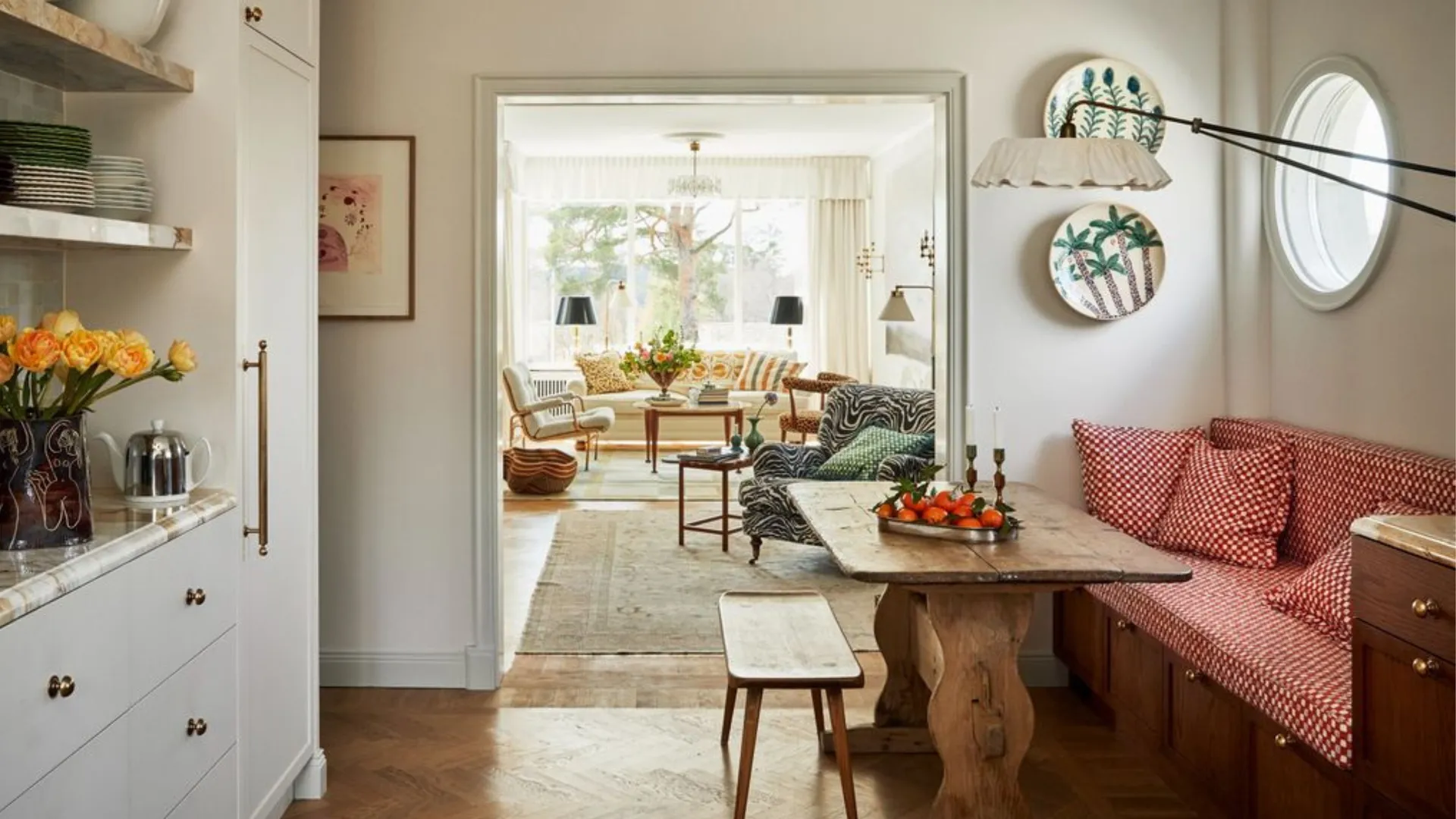
Cozy Kitchen Breakfast Nook Ideas for Families
The kitchen table has always done more than hold plates.…

Useful Home Security Ideas for Safer Properties
A safe property rarely feels dramatic from the street. It…