

A family room can look finished and still feel tense the minute everyone walks in. The best warm living room updates do not begin with buying a new sofa or copying a perfect photo online. They begin with how your household actually moves, rests, talks, eats snacks, drops bags, watches games, and ends a long weekday together. A calm room has to forgive real life. That matters in American homes where one space often works as a TV room, homework zone, coffee spot, and weekend gathering place before noon. Good design gives that daily mess a soft place to land. For families comparing ideas through home design inspiration, the smartest upgrades are rarely the loud ones. They are the choices that make the room feel easier: a better lamp, a softer traffic path, a table that stops clutter from spreading, or a wall color that does not fight the afternoon sun. Comfort is not a style. It is a room that stops asking you to behave like guests in your own home.
Warm Living Room Updates That Start With How Your Family Lives
A calm room is built around behavior before beauty. Families do not ruin living rooms because they lack taste; they struggle because the room asks too much from them. If the remote has no home, throws pile up. If every seat faces the TV like a waiting room, conversation dies. If the only lamp sits across the room, someone always ends up under a harsh ceiling light.
Why Does Family Room Decor Feel Messy Even After Cleaning?
Family room decor feels messy when the room has no clear landing spots. A coffee table stacked with books may look charming online, but in a house with school forms, headphones, chargers, and snack bowls, that same table turns into a dumping ground by Tuesday night. The fix is not stricter cleaning. The fix is giving each common item a place that feels easier than leaving it out.
A simple lidded basket beside the sofa can change the room more than a new accent chair. One basket holds blankets. Another stores gaming controllers or small toys. A narrow tray keeps remotes from drifting into cushions. In a typical suburban living room in Ohio, Texas, or North Carolina, this kind of setup beats decorative clutter because it supports the way families already behave.
The counterintuitive part is that a calmer room often needs more containers, not fewer objects. Hidden storage makes a space feel lighter because the eye stops catching every loose item. The room still holds family life, but it no longer displays every piece of it at once.
How Can a Cozy Seating Layout Make the Room Feel Calmer?
A cozy seating layout works when people can sit without shouting, twisting, or blocking a walkway. Many homes place every seat against the wall because it feels safe. That choice often creates a wide empty center that looks open but feels cold. Pulling furniture closer can make the room feel larger because the purpose becomes clearer.
A sofa facing two chairs across a soft rug invites both movie night and normal conversation. In a long ranch-style living room, floating the sofa a few feet from the wall can create a walking lane behind it. That small move stops kids, pets, and guests from cutting through the middle of the seating area every few minutes.
Families often fear that angled chairs or closer seating will make the room feel crowded. Not always. But often enough, the opposite happens. When the furniture forms a human-sized zone, people relax faster because the room finally tells them where to be.
Color, Texture, and Light That Lower the Volume
Once the layout supports daily life, the senses need attention. A living room can look expensive and still feel sharp if the lighting is cold, the rug is thin, or every surface reflects sound. Calm comes from quiet layers. Color, texture, and light work together like background music; you notice them most when they are wrong.
Which Warm Neutral Colors Work Best in Busy Homes?
Warm neutral colors work best when they have enough depth to hide daily wear but enough softness to keep the room open. Cream, oatmeal, mushroom, taupe, clay beige, and soft greige often perform better than stark white in family spaces. Pure white can look clean in photos, then turn harsh under LED bulbs and unforgiving near sticky fingers.
A family in a sunny Arizona home might choose a sandy beige because bright light already brings energy into the room. A New England family with darker winters may lean toward warm ivory walls and walnut accents to keep the room from feeling flat. The same paint does not behave the same way in every ZIP code. Light changes everything.
The unexpected truth is that darker accents can make a room feel calmer, not heavier. A charcoal side table, deep brown frame, or olive pillow gives the eye a resting point. Without those anchors, pale rooms can feel nervous, like everything is floating.
How Do Soft Textures Change the Mood Without Adding Clutter?
Texture carries warmth better than color alone. A room with smooth floors, flat walls, leather seating, and glass tables may look clean, yet sound and movement bounce around it. Add a wool-style rug, linen curtains, nubby pillows, or a chunky cotton throw, and the room begins to absorb both noise and tension.
This does not mean covering every surface. One large rug does more work than five small mats. Two generous pillows often look calmer than six tiny ones. A single woven basket near the fireplace can warm the room without turning it into a prop display.
Warm neutral colors and texture should support each other rather than compete. A beige sofa with a flat beige pillow can feel dull. That same sofa with a ribbed cream pillow, a rust throw, and a natural wood table suddenly has depth. The room stays quiet, but it no longer feels empty.
Storage and Surfaces That Keep Peace in the Room
A family living room needs systems that do not announce themselves. Nobody wants to feel managed by furniture. Still, every calm room has a few quiet rules built into its shape. Surfaces decide where clutter gathers. Storage decides whether cleanup takes ten minutes or turns into a full Saturday job.
What Storage Choices Work for Small Living Room Ideas?
Small living room ideas work best when storage does more than hide things. It should also protect walking space, seat comfort, and visual calm. A storage ottoman can hold blankets while replacing a sharp coffee table. A media console with doors can hide cords, board games, and extra batteries. Wall shelves can lift books and framed photos without stealing floor space.
Apartment families in cities like Chicago, Seattle, or Atlanta often need the living room to serve several roles. A slim console behind the sofa can become a homework landing zone. A bench under a window can store shoes or pet supplies. These pieces earn their place because they solve more than one problem.
The mistake is buying storage after clutter appears. Better rooms plan for clutter before it happens. If your family always drops backpacks near the entry side of the living room, put a closed cabinet there instead of pretending the habit will vanish.
How Can Coffee Tables and Side Tables Reduce Daily Stress?
Tables shape the way people use a room. A coffee table that is too large blocks movement. One that is too small invites piles because nothing has a clear zone. The best table leaves enough space for knees, cups, books, and a board game without turning the center of the room into a storage shelf.
Round tables help in homes with young kids because corners disappear from the worry list. Nesting tables work for families that need flexible surfaces during guests, game days, or takeout nights. Side tables matter more than many people think. When every seat has a reachable surface, drinks stop balancing on arms and phones stop hiding under cushions.
Small living room ideas often fail when people choose tiny furniture for a tiny room. A room full of undersized pieces can feel busy and awkward. One solid table, one proper storage piece, and fewer random stands usually create more breathing room than a cluster of mini solutions.
Personal Details That Make Calm Feel Like Home
A calm family room should not look rented from a showroom. The goal is warmth with identity, not a beige box with pillows. Personal details give the room emotional weight, but they need editing. The best spaces show enough of your family to feel alive without asking every wall, shelf, and corner to tell a story at the same time.
How Do You Display Family Memories Without Crowding the Walls?
Family memories feel stronger when they have room around them. A gallery wall can look beautiful, but it needs order. Matching frame tones, consistent spacing, and one clear boundary keep the display from becoming visual noise. A smaller group of meaningful photos often feels more intimate than a wall packed edge to edge.
A smart approach is choosing one memory zone. That might be the wall behind a sofa, the top of a console, or a corner shelf near a reading chair. Rotate items by season instead of displaying every framed school photo, vacation shell, and sports medal year-round.
The honest truth is that not every memory needs to become decor. Some belong in albums, boxes, or private spaces. A calm room respects memory by giving it focus, not by turning the living room into a family archive.
What Finishing Touches Make a Room Feel Warm at Night?
Evening warmth depends on light more than furniture. A room lit only by a ceiling fixture can feel exposed, no matter how nice the sofa is. Table lamps, floor lamps, picture lights, and low-watt bulbs create smaller pools of comfort. That shift matters after dinner, when the whole house should start slowing down.
Layered lighting also helps different people use the room at once. One person can read in a chair while another watches TV. Kids can play on the rug without the room feeling like a store aisle. A dimmer switch is one of the least glamorous upgrades, but it can change the entire mood after sunset.
Finishing touches should pass a simple test: does this make the room easier to live in, or only easier to photograph? A soft throw where someone actually sits belongs. A tray that gathers tea mugs belongs. A tall vase in the path of a running child does not. Calm design has manners.
Conclusion
A family living room should take pressure off the people inside it. That means the smartest choices are not always the biggest purchases. A better furniture path, a warmer bulb, a closed cabinet, or one honest memory wall can shift the room from restless to settled. The real work is paying attention to what your household repeats every day, then designing around that truth instead of fighting it.
Good design does not erase toys, TV nights, snack crumbs, or busy schedules. It gives them boundaries. That is why warm living room updates matter so much for calm family spaces. They help the room hold real life without letting real life take over every surface. Start with the one part of your living room that creates the most friction, fix that first, and let the rest of the room follow with purpose.
Frequently Asked Questions
How can I make my living room feel warmer without replacing furniture?
Start with lighting, textiles, and wood tones. Add warm bulbs, a larger rug, soft curtains, textured pillows, and one natural wood accent. These changes shift the mood fast without forcing a full redesign or expensive furniture swap.
What colors make a family living room feel calm?
Soft greige, warm white, oatmeal, taupe, clay beige, muted olive, and mushroom tones work well in family rooms. They feel gentle without looking flat. Pair them with deeper accents like walnut, rust, charcoal, or soft navy for balance.
How do I arrange furniture for a calm family space?
Create a clear seating zone where people can talk without raising their voice. Keep walkways open, place tables within reach, and avoid pushing every piece against the wall. A rug can help define the area and make the layout feel settled.
What is the best lighting for a cozy living room?
Use layered lighting instead of relying on one ceiling fixture. Mix table lamps, floor lamps, dimmers, and soft white bulbs. This creates gentle pools of light that work better for reading, relaxing, watching TV, and evening family time.
How do I keep a family living room from looking cluttered?
Give everyday items a home near where they are used. Use baskets, closed cabinets, trays, storage ottomans, and media consoles with doors. Clutter becomes easier to manage when cleanup takes seconds instead of a full reset.
Are rugs useful in calm living room design?
A rug softens sound, defines the seating area, and adds warmth underfoot. Choose a size large enough for at least the front legs of the main furniture to sit on it. Small floating rugs can make the room feel broken up.
How can I decorate with family photos without making walls look busy?
Choose one main display area and keep the frames consistent. Leave breathing room between photos and avoid filling every wall. Rotating photos seasonally can keep the space personal without letting the room feel crowded.
What small update makes the biggest difference in a living room?
Changing harsh lighting often makes the fastest difference. Warm bulbs, dimmers, and lamps at different heights can soften the whole room in one evening. Once the lighting feels right, colors, textures, and furniture usually look better too.
Related Posts
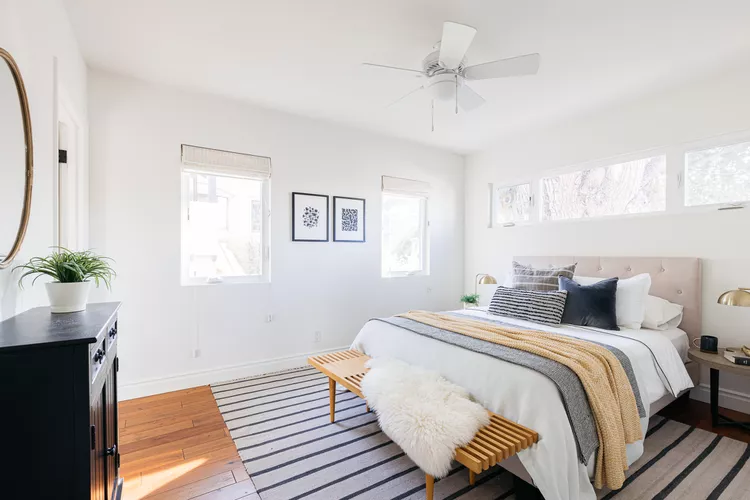
Cozy Bedroom Lighting Tips for Better Relaxation
A bedroom can look clean, expensive, and carefully decorated, then…

Best Art Programs in Edmonton, CA
University of Alberta - Department of Art and Design The…

Healthy Cooking Swaps for Lighter Family Meals
Dinner should not feel like a punishment for caring about…